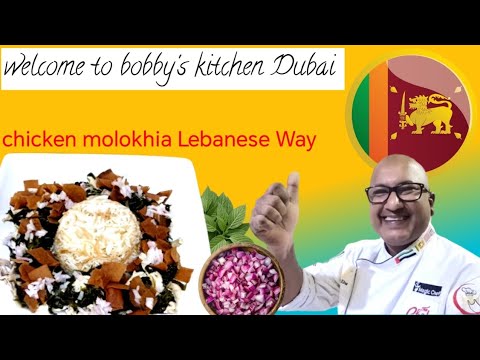
Mastering Lebanese Molokhia: Whole Leaves, Lemony Broth & Garlic Cilantro Sizzle
In the vibrant tapestry of Middle Eastern cuisine, few dishes evoke as much warmth and culinary delight as Molokhia. While this verdant stew enjoys widespread popularity across the region, the Lebanese rendition stands out with its distinct approach, celebrating whole jute leaves, a bright lemony broth, and an unforgettable garlic-cilantro sizzle. When perfectly prepared,
Lebanese molokhia with chicken is not just a meal; it's a deeply comforting experience, brimming with flavor and health benefits that make it a cherished household favorite.
This article delves into the heart of this iconic dish, exploring its unique characteristics, historical roots, and the essential steps to master its preparation. Whether you're a seasoned chef or a curious home cook, get ready to unlock the secrets behind this irresistibly delicious and antioxidant-rich stew.
What is Molokhia? Unveiling the "Jews Mallow" Magic
At its core, Molokhia refers to the leafy green vegetable known as jute leaves or jews mallow. Originating in Ancient Egypt, this nutritional powerhouse has traversed centuries and continents, establishing itself as a staple ingredient across the Middle East and North Africa. The very word "Molokhia" translates directly to "jute leaves" or "jews mallow" in Arabic, hinting at its singular importance.
Beyond its culinary appeal, Molokhia is a nutritional treasure trove. These vibrant green leaves are loaded with essential vitamins and minerals, including folic acid, iron, calcium, and vitamin C. But perhaps most notably, they are packed with antioxidants, contributing significantly to overall well-being. This makes
Lebanese Molokhia: Whole Jute Leaves, Chicken & Antioxidant Power not just a delicious meal, but a profoundly healthy one.
While Molokhia is widely celebrated, its preparation varies significantly by region. The Egyptian version, often considered a national dish, is typically made with finely minced jute leaves, resulting in a soup-like consistency. In contrast, the Levantine, and specifically Lebanese, approach embraces the leaves in their glorious entirety, offering a distinct texture and depth of flavor that truly sets it apart.
The Distinct Lebanese Approach: Whole Leaves and Lemony Perfection
The hallmark of authentic Lebanese Molokhia lies in its unwavering commitment to using *whole* jute leaves. Unlike its minced counterpart, this method provides a satisfying bite and a more pronounced leafy presence within the stew. The leaves, whether fresh, frozen, or dried, are meticulously cooked down, combining with tender chicken and a rich, fresh broth to create a hearty and wholesome dish.
The versatility of Molokhia leaves means you can use them in all their forms.
- Fresh Leaves: If you're fortunate enough to find fresh jute leaves, particularly during their peak season outside Middle Eastern countries, seize the opportunity! They offer a distinct, vibrant flavor that many connoisseurs swear by. Fresh leaves require thorough washing, drying, and a quick sauté in a little oil until wilted before being added to the stew.
- Frozen Leaves: A widely available and convenient option, frozen whole jute leaves are an excellent compromise when fresh aren't available. They retain much of the fresh flavor and texture, making them a popular choice for many home cooks.
- Dried Leaves: Traditionally used and easily stored, dried jute leaves offer a robust flavor profile. They require rehydration before cooking, typically by soaking in hot water. While the texture can be slightly different from fresh or frozen, dried Molokhia produces a deeply comforting and flavorful stew.
Regardless of the form, the essence of Lebanese Molokhia is marrying these whole leaves with a generous amount of freshly squeezed lemon juice. This isn't just for flavor; the acidity of the lemon is crucial for balancing the slight mucilaginous texture that jute leaves can sometimes have, brightening the entire dish and creating that signature "lemony broth" that is so characteristic of Lebanese cooking.
The Essential "Tasha": Garlic-Cilantro Sizzle
No discussion of Lebanese Molokhia would be complete without highlighting the *tasha* (sometimes called *taqliya* or *toum w kizbara*). This aromatic flourish is the heart and soul of many Lebanese yekhnes (stews) and is absolutely non-negotiable for an authentic Molokhia experience. It involves sautéing fresh chopped cilantro and crushed garlic until fragrant, often in ghee, though butter or olive oil work perfectly well.
The magic of the tasha lies in its timing: it's typically prepared separately and then vigorously added to the simmering stew towards the end of the cooking process. The sizzling sound and burst of aroma as the garlic-cilantro hits the hot Molokhia is a culinary crescendo, infusing the entire dish with its distinct, irresistible fragrance and flavor. It’s this final, fragrant step that truly elevates
Lebanese molokhia with chicken from a simple stew to an extraordinary culinary masterpiece.
Crafting Your Lebanese Molokhia with Chicken: A Step-by-Step Guide & Tips
Creating a truly memorable Molokhia with chicken involves a few key steps and thoughtful considerations:
Choosing Your Chicken
Traditionally, a whole chicken is cooked and then shredded for Molokhia, lending a rich depth to the broth. However, modern recipes often call for bone-in chicken breast or even boneless chicken breast for convenience.
- Bone-in Chicken: Offers superior flavor for the broth, which is crucial for the Molokhia leaves themselves.
- Boneless Chicken: A quicker option, but you might need to supplement with a good quality chicken stock for optimal flavor.
Pro Tip: Always opt for organic chicken with no added hormones if possible. Furthermore, a traditional Lebanese practice involves washing the chicken thoroughly with a sprinkle of flour beforehand. This helps to eliminate any strong "chickeny" odor and ensures a cleaner flavor profile for your broth. Once cooked, shred the chicken to your desired size – some prefer small, tender pieces, while others like larger, more substantial shreds.
Broth is Key
The fundamental rule for an exceptional Molokhia is to use the flavorful broth left over from cooking your chicken to simmer the jute leaves. This creates a continuous flavor profile, ensuring every spoonful of Molokhia is infused with rich chicken essence.
Cooking the Leaves
Depending on whether you use fresh, frozen, or dried leaves, the preparation will vary slightly.
- Fresh: Wash, dry, sauté briefly until wilted, then add to broth.
- Frozen: Thaw (or add directly if instructions permit) and then add to the simmering broth.
- Dried: Rehydrate by soaking in hot water until softened, then drain well before adding to the broth.
Simmer the leaves in the chicken broth until tender, allowing their unique flavor to meld with the savory liquid.
Assembling the Dish
Once the leaves are tender, it's time to bring everything together.
- Add your shredded chicken back into the pot.
- Stir in a generous amount of fresh lemon juice – taste as you go to achieve your preferred balance of tanginess.
- Finally, unleash the *tasha*! Pour the sizzling garlic-cilantro mixture directly into the Molokhia. Stir gently to distribute the aromatic goodness.
Serving Suggestions
Lebanese molokhia with chicken is almost always served with a side of fluffy white rice (roz). Complementary accompaniments often include finely chopped raw onions (sometimes dressed with lemon juice), fresh pita bread, and an assortment of pickles (especially pickled turnips or cucumbers). These additions provide a delightful contrast in texture and flavor, cutting through the richness of the stew.
Beyond Chicken: Exploring Variations
While chicken is the most common protein for Molokhia, it's not the only option. Some versions feature stew beef, and for an even heartier and more robust stew, you can certainly mix both chicken breast and stew beef. The cooking method remains largely similar, with adjustments for the longer cooking time required for beef.
A Comforting Classic: Meal Prep & Freezing Tips
Molokhia isn't just a delicious meal; it's a dish designed for sharing and savoring over time. It's often made in the largest pot in the home, a testament to its popularity and the desire to enjoy it for days. This brothy, comforting stew is particularly perfect for winter and the colder months, offering warmth and nourishment.
One of the greatest advantages of Molokhia is its fantastic suitability for meal prep. Leftovers keep beautifully in the fridge for 3-4 days, and many families intentionally make extra portions to freeze. This allows you to enjoy a homemade, wholesome meal on busy weeknights with minimal effort. Freezing individual portions means you can have a healthy, hearty meal ready whenever cravings strike. For more insights on this, check out our guide on
Easy Lebanese Molokhia Recipe: A Healthy, Freezable Family Favorite.
Conclusion
From its ancient origins to its place at the heart of Lebanese family tables, Molokhia is a dish rich in history, flavor, and nutrition. The Lebanese rendition, with its celebration of whole jute leaves, the bright counterpoint of lemony broth, and the intoxicating sizzle of garlic and cilantro, offers a culinary experience that is both comforting and profoundly satisfying. Mastering
Lebanese molokhia with chicken is a rewarding endeavor, yielding a meal that nourishes the body with antioxidants and delights the soul with its authentic, homemade taste. So, gather your ingredients, embrace the process, and prepare to add this irresistible Middle Eastern stew to your culinary repertoire.