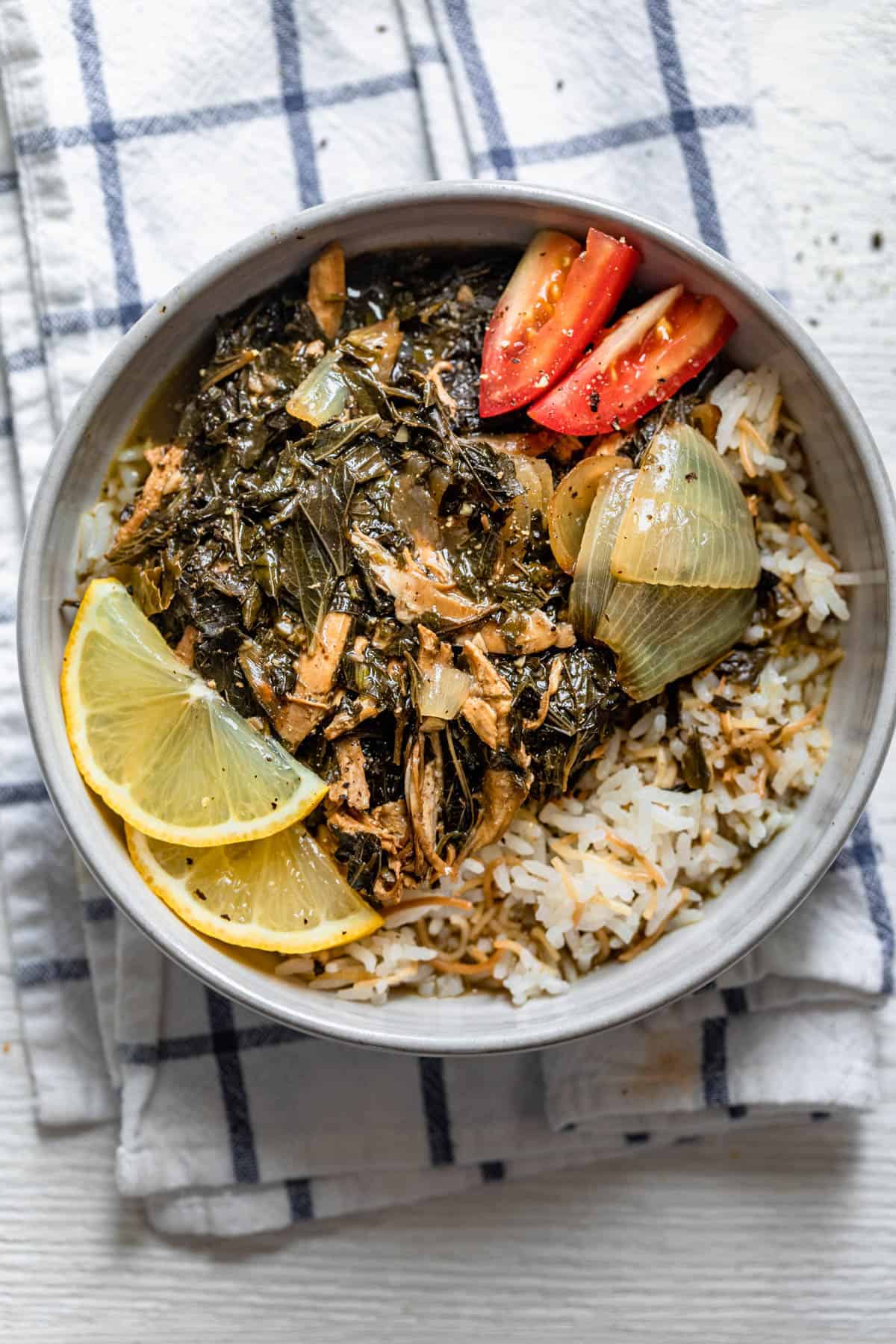
Discover the Heartwarming Delights of Lebanese Molokhia with Chicken
There are few dishes that evoke the warmth of home and tradition quite like Lebanese Molokhia with Chicken. This classic Middle Eastern stew, simmered to perfection, combines tender chicken with the unique, earthy flavor of whole jute leaves in a vibrant, lemony broth. Far more than just a meal, it's a culinary experience cherished across generations, celebrated for its rich taste, comforting texture, and impressive nutritional profile. Often served alongside fluffy rice, this Lebanese rendition of molokhia stands out for its distinctive preparation and undeniable appeal, offering a wholesome dish packed with antioxidant power.
Molokhia, also known as Jew's Mallow or jute leaves, is a staple green vegetable with ancient roots in Egypt, now popular throughout the Middle East and North Africa. While many regions have their own beloved versions, the Lebanese approach to molokhia with chicken holds a special place, particularly for its use of whole leaves and its savory, garlicky, and cilantro-infused base. It's a dish that transforms simple ingredients into an extraordinary feast, often prepared in the largest pot in the kitchen, signaling days of delicious leftovers and shared family meals.
What Makes Lebanese Molokhia with Chicken Unique?
The world of molokhia is diverse, with variations spanning different cultures and culinary traditions. However, the Lebanese Molokhia with Chicken distinguishes itself primarily through its texture and flavor profile. While the Egyptian version, often considered the national dish, typically features minced molokhia leaves resulting in a more soup-like consistency, the Levantine (Lebanese, Syrian, Palestinian) preparation embraces the whole jute leaves.
This preference for whole leaves provides a different mouthfeel – a pleasant chewiness that allows the natural texture of the molokhia to shine through. Combined with succulent shredded chicken, a robust chicken broth, and the signature Lebanese aromatic base of fresh cilantro and crushed garlic, it creates a stew that is both hearty and incredibly satisfying. The broth itself is a masterpiece of balance, brightened by a generous squeeze of lemon juice, which cuts through the richness and adds a distinctive tangy note that is crucial to the authentic Lebanese flavor.
- Whole Leaves, Distinctive Texture: Unlike the more puréed Egyptian style, Lebanese molokhia retains the integrity of the jute leaves, offering a unique bite.
- Aromatic Foundation: The initial sauté of fresh chopped cilantro and crushed garlic in ghee or oil sets a profound aromatic base that permeates the entire dish.
- Lemony Brightness: A generous addition of fresh lemon juice is non-negotiable, elevating the flavors and providing a tangy counterpoint.
The Nutritional Powerhouse: Jute Leaves and Antioxidant Power
Beyond its delicious taste, Lebanese molokhia with chicken is a true nutritional treasure. The star ingredient, jute leaves, are not just flavorful but are also incredibly healthy, earning them a superfood status in many diets. These leafy greens are packed with essential vitamins and minerals, making this stew a fantastic choice for a health-conscious meal.
Jute leaves are an excellent source of:
- Folic Acid: Crucial for cell growth and function, and vital during pregnancy.
- Iron: Essential for oxygen transport in the blood and preventing anemia, contributing to energy levels.
- Calcium: Fundamental for strong bones and teeth, and plays a role in muscle function and nerve signaling.
- Vitamin C: A powerful immune booster, vital for skin health, and acts as an antioxidant.
- Antioxidants: Jute leaves are particularly rich in various antioxidants that help combat free radicals in the body, reducing oxidative stress and supporting overall cellular health. These compounds contribute to preventing chronic diseases and promoting longevity.
When combined with lean chicken, which provides high-quality protein, this dish becomes a wholesome and balanced meal. The broth, rich in collagen and nutrients from the chicken bones (if using bone-in cuts), further enhances its health benefits, making it particularly nourishing during colder months or when you need a comforting, restorative meal.
Crafting the Perfect Lebanese Molokhia: Key Ingredients and Techniques
Making authentic Lebanese Molokhia: Whole Leaves, Lemony Broth & Garlic Cilantro might seem intricate, but it's a process that yields incredibly rewarding results. The beauty lies in understanding the core steps and embracing the flexibility the recipe offers regarding the molokhia leaves themselves.
Choosing Your Jute Leaves: Fresh, Frozen, or Dried
One of the most common questions revolves around the form of molokhia leaves to use. Traditionally, Lebanese molokhia can be made with fresh, frozen, or dried jute leaves, each offering a slightly different nuance in taste and texture:
- Fresh Leaves: If you are fortunate enough to find fresh jute leaves, typically available in Middle Eastern markets during their peak season, they offer a distinct, vibrant flavor. They require thorough washing, drying, and a quick sauté in oil until wilted before being added to the stew.
- Frozen Leaves: A convenient and widely available option, frozen molokhia leaves (often pre-chopped or whole) are a fantastic substitute. They retain much of the fresh flavor and texture and simplify the preparation process.
- Dried Leaves: Commonly used, especially outside the Middle East, dried molokhia leaves need to be rehydrated before cooking. While their flavor is slightly different from fresh, they still create a delicious and authentic stew. The reference points out that all versions are delicious, and personal preference often dictates choice.
The Foundation: Chicken and Broth
The chicken is central to this dish. While a whole chicken cooked and shredded is traditional, many home cooks opt for bone-in chicken breast for ease and flavor, or even boneless chicken breast for quicker preparation. Using organic, hormone-free chicken is always recommended for the best flavor and health benefits. A crucial tip from the reference context is to wash the chicken thoroughly, perhaps with a little flour, to eliminate any strong odors before cooking, ensuring a clean-tasting broth.
The process usually involves cooking the chicken first, creating a rich broth that will then be used to simmer the molokhia leaves. The cooked chicken is then shredded to your preferred size – some like smaller, bite-sized pieces, others larger chunks – and added back into the stew towards the end to maintain its tenderness.
The Aromatic Heart: Garlic and Cilantro
No Lebanese yekhne (stew) is complete without the iconic duo of fresh chopped cilantro and crushed garlic. Sautéed in ghee (clarified butter) or your preferred oil, this fragrant base is where the magic truly begins. It infuses the entire dish with a depth of flavor that is quintessentially Lebanese. This step is non-negotiable for achieving the authentic taste.
Tips for Serving and Enjoying Your Lebanese Molokhia
Lebanese molokhia with chicken is a versatile and forgiving dish, perfect for family meals and even meal prepping. Its brothy nature makes it especially comforting during winter and colder months.
- Serve with Rice: The classic accompaniment is white rice, which soaks up the flavorful broth beautifully. Consider serving with vermicelli rice for an extra touch of authenticity.
- The Lemon Essential: Always serve molokhia with extra lemon wedges on the side. The bright, tangy squeeze of fresh lemon juice is crucial for balancing the flavors and is often added individually to taste.
- A Side of Pickles: Lebanese pickled turnips or cucumbers offer a sharp contrast that complements the rich stew wonderfully.
- Meal Prep Powerhouse: One of the best qualities of this dish is how well it keeps. It can last for 3-4 days in the fridge, and portions can be frozen for later enjoyment. This makes it an excellent candidate for meal prepping for the week, allowing you to savor this wholesome meal whenever cravings strike.
- Vary the Meat: While chicken is most common, molokhia can also be made with stew beef, or even a combination of chicken and beef for a heartier meal.
Whether you're new to Middle Eastern cuisine or a seasoned fan, making Lebanese molokhia with chicken is a rewarding culinary journey. It's a dish that embodies the spirit of generosity, health, and flavor that defines Lebanese cooking.
Conclusion
Lebanese Molokhia with Chicken is more than just a stew; it's a celebration of heritage, health, and incredible flavor. With its whole jute leaves, tender chicken, and a vibrant, lemony broth infused with garlic and cilantro, it offers a unique and deeply satisfying culinary experience. Rich in antioxidants and essential nutrients, this comforting dish is a testament to the power of simple, wholesome ingredients transformed into a meal that nourishes both body and soul. Its versatility for meal prepping and its enduring popularity in Middle Eastern households ensure that this beloved stew will continue to be a cherished favorite for generations to come. So, gather your ingredients, embrace the cooking process, and prepare to fall in love with the wholesome goodness of Lebanese molokhia.
